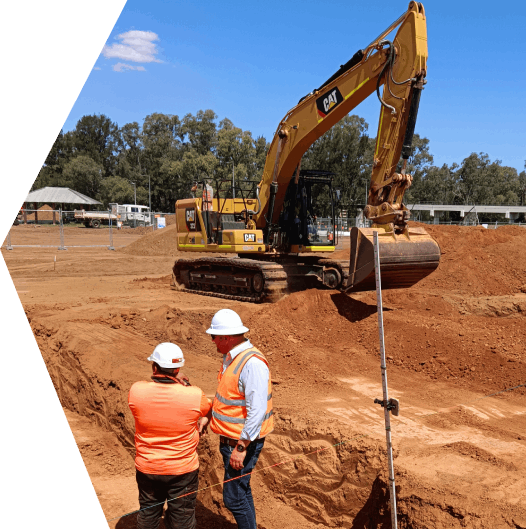
Urban & Structural Builds
Delivering high-standard functional spaces for the Australian landscape
SNG Engineering constructs urban structural assets and commercial site infrastructure for private developers, local councils, and industrial facility owners across New South Wales and Queensland. Our services include sports and recreational facilities, retaining walls, brick and Colorbond buildings, heritage restoration, heavy-duty carparks, perimeter fencing, and bulk earthworks - all delivered under our ISO 9001, ISO 14001, and ISO 45001 certified management system.
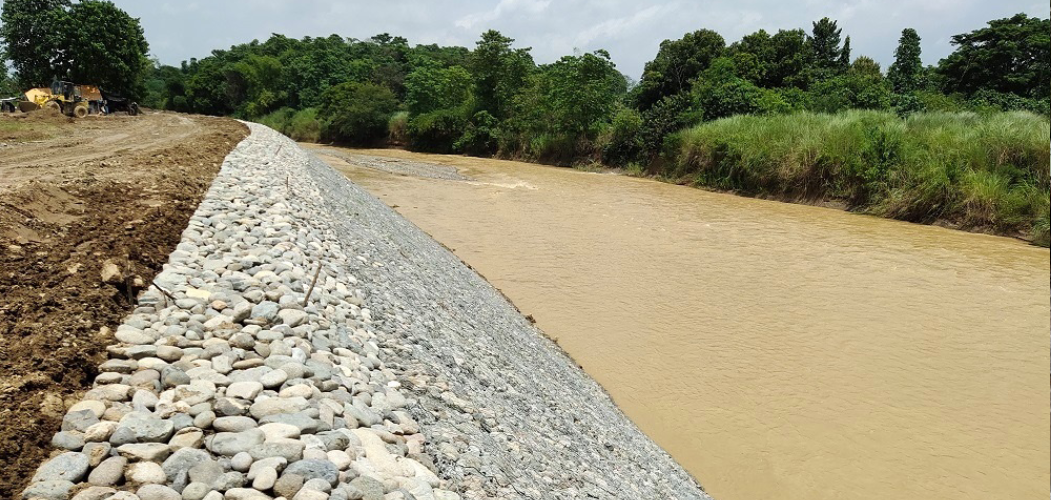
Structural Civil & Community Assets
We construct a wide range of structural assets that enhance public spaces and industrial sites. Our builds prioritize durability, functional design, and long-term structural integrity, including multipurpose sports facilities delivered for regional NSW councils.
-
Sports & Recreational Facilities:
Constructing high-standard public spaces, including multipurpose sports courts, community walkways, and public footpaths. -
Retaining & Structural Walls:
Building reinforced concrete and brick structures for soil stabilization, including specialized bond construction for facility boundary management. -
Brick & Colorbond Facilities:
Designing and executing durable site essentials, including custom brickwork structures and Colorbond steel facilities—a pre-painted, corrosion-resistant Australian steel product widely used for industrial and commercial building envelopes—for secure storage or industrial utility housing. -
Heritage Restoration:
Partnering with regulatory bodies to deliver sensitive restoration and adaptive reuse of architectural landmarks while meeting modern safety requirements.
Relevant Engineering Standards
AS 4678 (Earth-retaining structures)
AS 3600 (Concrete Structures)
AS 4361.1 (Guide to the Conservation of Historic Buildings)
AS 4100 (Steel Structures) | AS/NZS 1170 (Structural Design Actions)
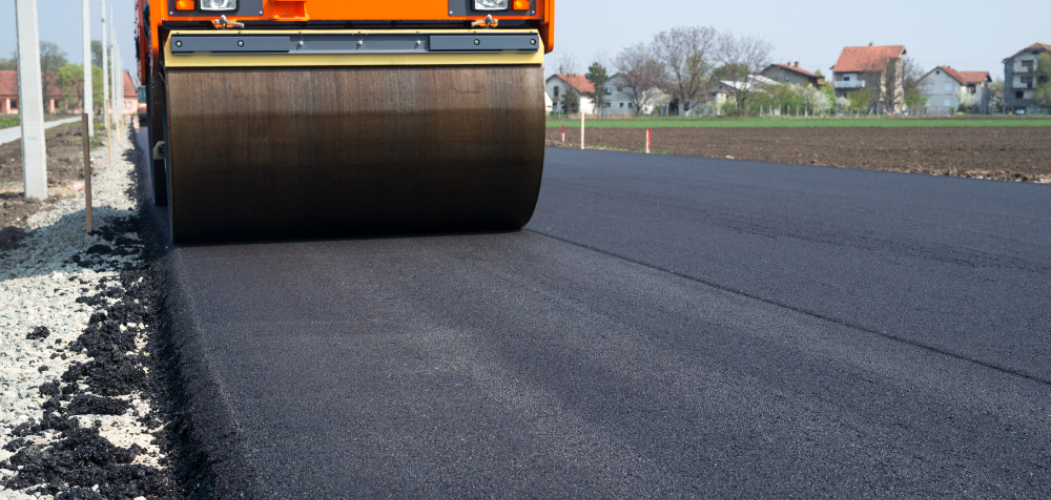
Commercial & Industrial Site Infrastructure
SNG Engineering provides the essential civil framework required for commercial and industrial operations. We deliver heavy-duty paving and structural solutions engineered to withstand high traffic loads and environmental stressors.
-
Heavy-Duty Carparks & Paving:
Designing and constructing reinforced concrete and asphalt pavements for commercial amenities and industrial loading zones. -
Secure Perimeter Fencing:
Installing high-security fencing systems to protect critical infrastructure and delineate site boundaries. -
Site Drainage & Groundworks:
Executing precision bulk earthworks and sub-surface drainage to ensure site stability and efficient water management.
AS 2890.1 (Off-Street Car Parking)
AS 3798 (Guidelines on earthworks for commercial and residential developments)
AS 1725.1 (Chain-link fabric fencing)
Austroads Guide to Road Design
AS 2876 (Concrete Kerbs, Channels, and Edgings)
AS 3600 (Concrete Structures)
Explore our other services

Ready to build resilient urban infrastructure?
Start your structural civil consultation with SNG Engineering today!
Common Questions Answered
Frequently Asked Questions
What structural civil assets does SNG Engineering construct across New South Wales and Queensland?
SNG Engineering delivers a diverse range of functional urban infrastructure, including heritage restorations, multipurpose sports courts, community walkways, and reinforced retaining walls. We also specialize in the construction of Colorbond steel facilities, heavy-duty industrial carparks, secure perimeter fencing, and structural site essentials for local councils and private developers.
Is SNG Engineering certified to deliver structural civil works for government and private sector clients?
Yes. Our operations are governed by an Integrated Management System certified to ISO 9001:2015 (Quality), ISO 14001:2015 (Environment), and ISO 45001:2018 (Safety). These certifications ensure a high standard of structural integrity, sustainable management of bulk earthworks, and a “Zero Harm” safety culture on active construction sites for both councils and private developers.
What is specialized bond construction and why is it used in structural walls?
Specialized bond construction refers to interlocking brickwork patterns – such as English or Flemish bonds – designed to distribute vertical loads and resist lateral forces more effectively than standard running bonds. Governed by AS 3600 and AS 4678, this technique is specified when superior structural stability and durability are required for facility boundary management and soil stabilization.
What materials does SNG Engineering use for retaining wall construction?
We select materials based on specific site requirements and load profiles, utilizing reinforced concrete, engineered brick, steel, and specialized fill. Steel retaining systems are typically specified for sites requiring rapid installation or where weight constraints limit the use of concrete, while reinforced concrete provides maximum longevity for high-pressure areas governed by AS 4678.
What is the difference between a retaining wall and a structural wall in civil construction?
A retaining wall is specifically engineered to resist the lateral pressure of soil and manage changes in ground elevation, governed primarily by AS 4678. A structural wall is designed to support vertical loads from a building or facility roof and is governed by AS 3600 (Concrete) or AS 4100 (Steel).
What is Colorbond steel and how is it utilized on SNG Engineering projects?
Colorbond steel is a pre-painted, corrosion-resistant steel product manufactured in Australia. Renowned for its durability and thermal properties, it is commonly used by SNG for equipment housing, site offices, and secure storage facilities on water and civil construction sites to withstand harsh Australian environmental stressors.
What type of perimeter fencing does SNG Engineering install for industrial and critical infrastructure sites?
We install high-security fencing systems tailored to the protection of critical assets, including chain-link fabric fencing compliant with AS 1725.1. These systems provide measurable deterrence and clear site delineation for industrial facilities, water infrastructure sites, and public utility assets.
What Australian standard governs the restoration and conservation of heritage buildings?
The restoration and conservation of historic landmarks are governed by AS 4361.1 (Guide to the Conservation of Historic Buildings). SNG works in direct consultation with the relevant state heritage authority, such as Heritage NSW or Queensland Heritage Council, to obtain required approvals at each project stage while meeting modern safety requirements.
What does adaptive reuse mean in heritage building restoration?
Adaptive reuse is the process of retrofitting a heritage-listed structure for a new purpose, such as converting an old industrial building into a community center, while preserving its historic features. It is increasingly specified by local councils and state governments as a sustainable alternative to demolition, reducing construction waste and preserving community identity through modern structural reinforcements like AS 4100.